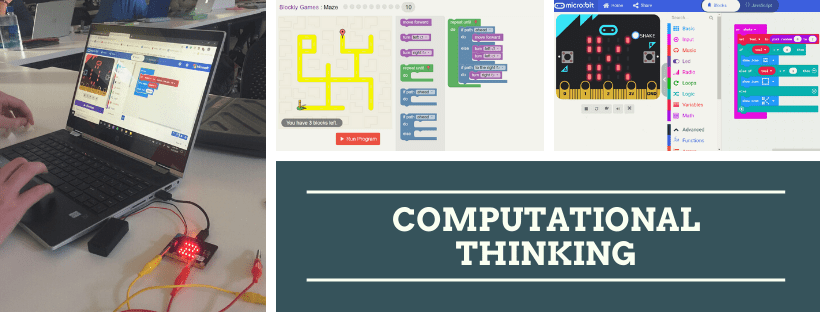
Computational thinking has become a critical element that should be implemented in the classroom. This is due to the ever-increasing nature of computing programs in industries (Özçınar, 2018). Computational thinking allows students to understand the process of analysing a problem then solving it so that a human, machine or computer can implement the solution (NESA, 2017)
Computational Thinking tools can foster creativity in a variety of subjects, Teachers can get students to design science experiments, create artwork, visual storybook or games that represent artwork, mathematical problems, historic events etc., as well as getting students to design websites that display information related to the subject or even to market a product (Haseski, Ilic, & Tuğtekin, 2018; Margarida, Lepage, & Lille, 2017). By having computational thinking tools in the classroom students become more engaged and motivated as they increase the range of teaching material and become more engaged and motivated as they are allowed to explore a different way in representing their ideas as well as learning skills that will assist them in real-life situations (Haseski, Ilic, & Tuğtekin, 2018; Ioannidou, Bennett, Repenning, Koh, & Basawapatna, 2011).
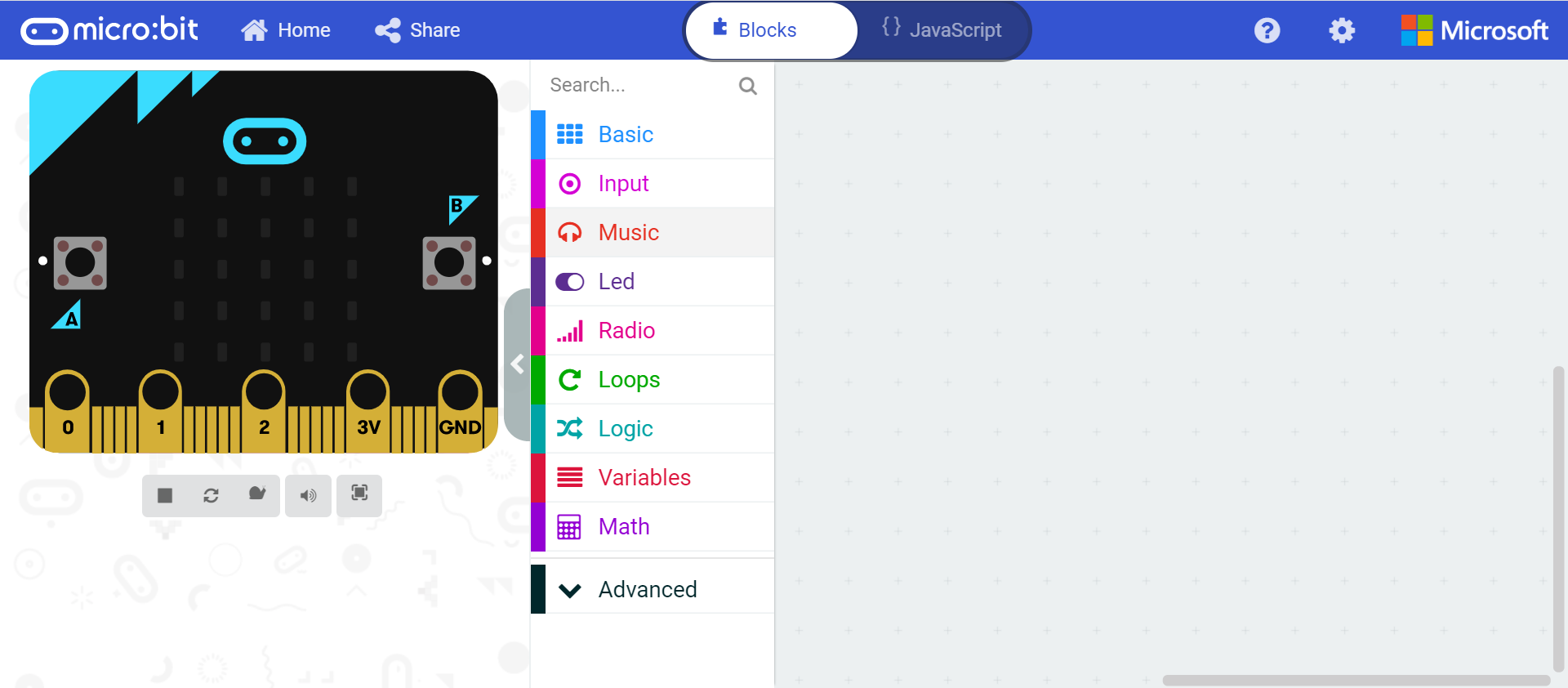
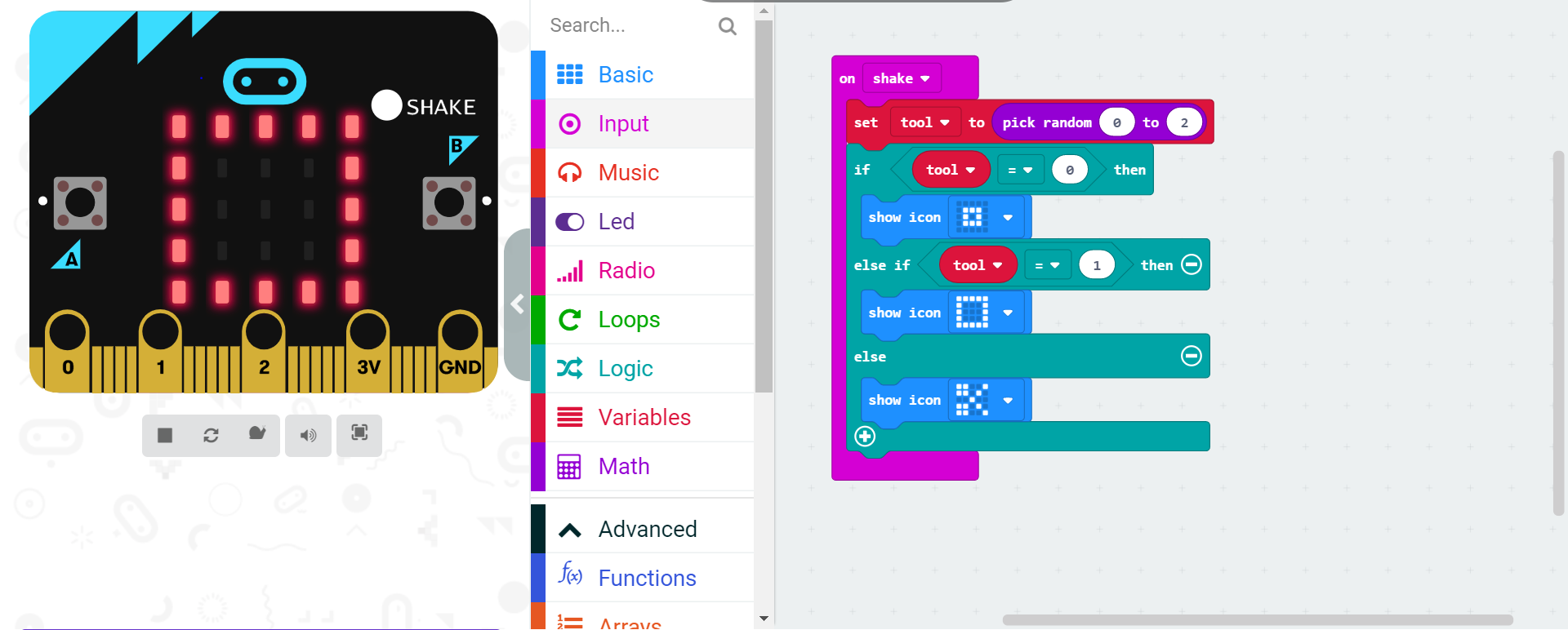
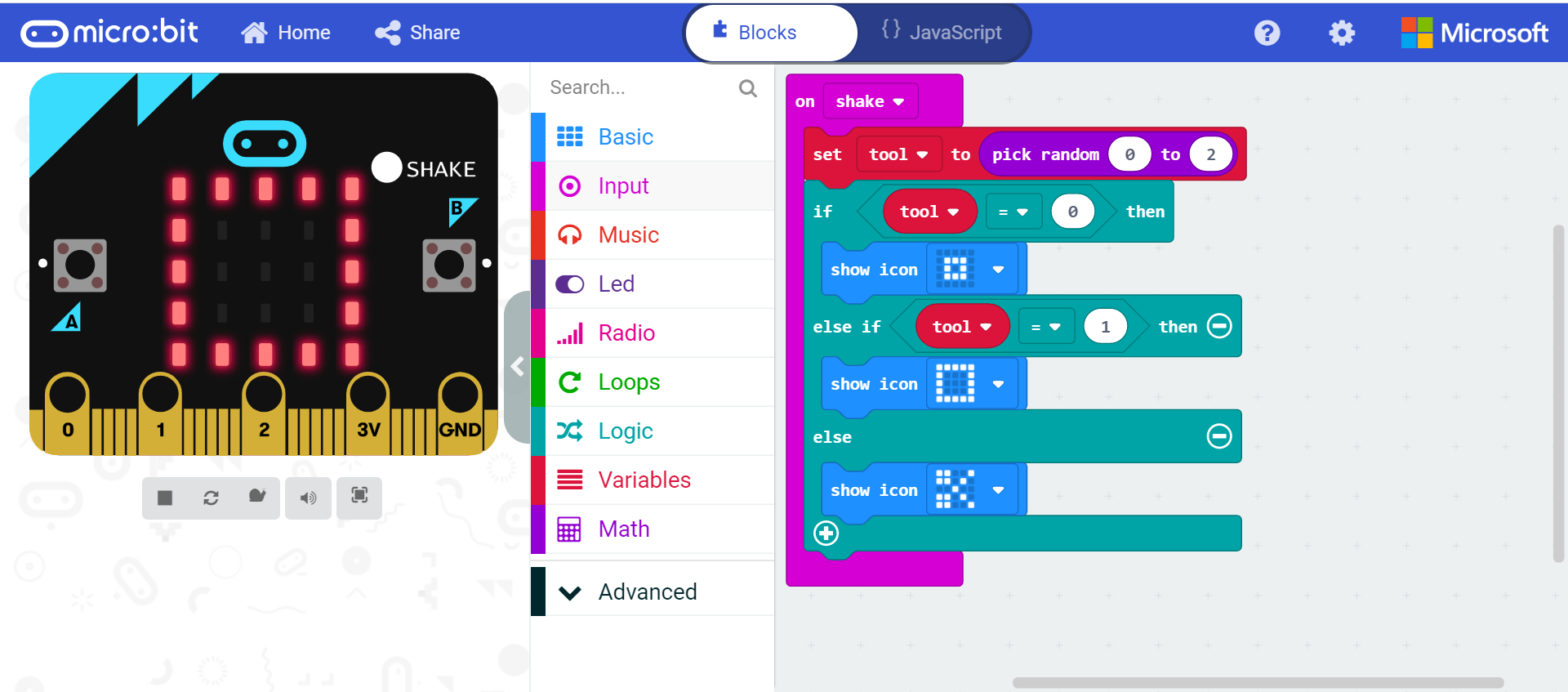
An example of a program that uses computational thinking and allows students to foster creativity is the MicroBit. The Micro:bit provides a physical device that you can program to use to roll a dice, record the temperature etc. It uses a middle-level programming skill, which uses the idea of block code that students can drag and drop into creating code that will allow the desired outcome to be achieved.


Teachers have to ensure that they teach Computational thinking in a manner that allows students to transfer the skills of problem-solving methods to different areas of study (Özçınar, 2018; Bennett, Koh, & Repenning, 2013). Teachers also have to ensure that they implement the structure of the lesson process that relates to an authentic problem to ensure they are engaged and understand the reasoning on using the computational thinking tools (Lye & Koh, 2014; Margarida, Lepage, & Lille, 2017). In order for students to be able to effectively foster creativity in coding, they have to first have an understanding of how coding works and how to use it. This can be timely and teachers may not allow students to have their own design thus disengaging the students which deter creativity from happening.
Overall, the computational thinking tools are a great learning tool as they motivate and engage students into learning code which can be disinteresting (Özçınar, 2018 & Margarida, Lepage, & Lille, 2017).
References
Bennett, V., Koh, K. H., & Repenning, A. (2013). Computing Creativity: Divergence in Compuatational Thinking. Proceeding of the 44th ACM technical symposium on Computer science education, 359-364.
Haseski, H. İ., Ilic, U., & Tuğtekin, U. (2018). Computational thinking in educational digital games: An assessment tool proposal. Teaching computational thinking in primary education, 256-287.
Ioannidou, A., Bennett, V., Repenning, A., Koh, K. H., & Basawapatna, A. (2011). Computational Thinking Patterns. 2011 Annual Meeting of the American Educational Research Association, 1-15.
Lye, S. Y., & Koh, J. H. (2014). Review on teaching and learning of computational thinking through programming: What is next for K-12? Computers in Human Behavior 2014, 51-61.
Margarida, R., Lepage, A., & Lille, B. .. (2017). Computational thinking development through creative programming in higher education. International Journal of Educational Technology in Higher Education, 42-57.
NESA. (2017). Retrieved from http://educationstandards.nsw.edu.au/wps/portal/nesa/k-10/learning-areas/technologies/science-and-technology-k-6-new-syllabus
Özçınar, H. (2018). A Brief Discussion on Incentives and Barriers to Computational Thinking Education. In Teaching Computational Thinking in Primary Education (pp. 1-17). Turkey: IGI Global.


Hi Georgina,
Great post. liked how you stated the importance of computation thinking and related it with the NESA documentation and gave plenty of examples as to how it could be implemented into the classroom. However, I would have liked to have seen a more specific classroom application of the micro bit and how it can enhance the learning of students. Really liked how you pointed out some of the potential difficulties of implementing this type of learning in the classroom
LikeLike